Commercial Waste in Covent Garden
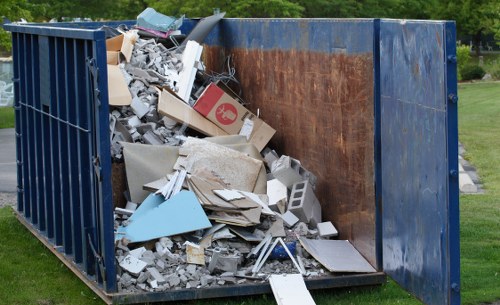
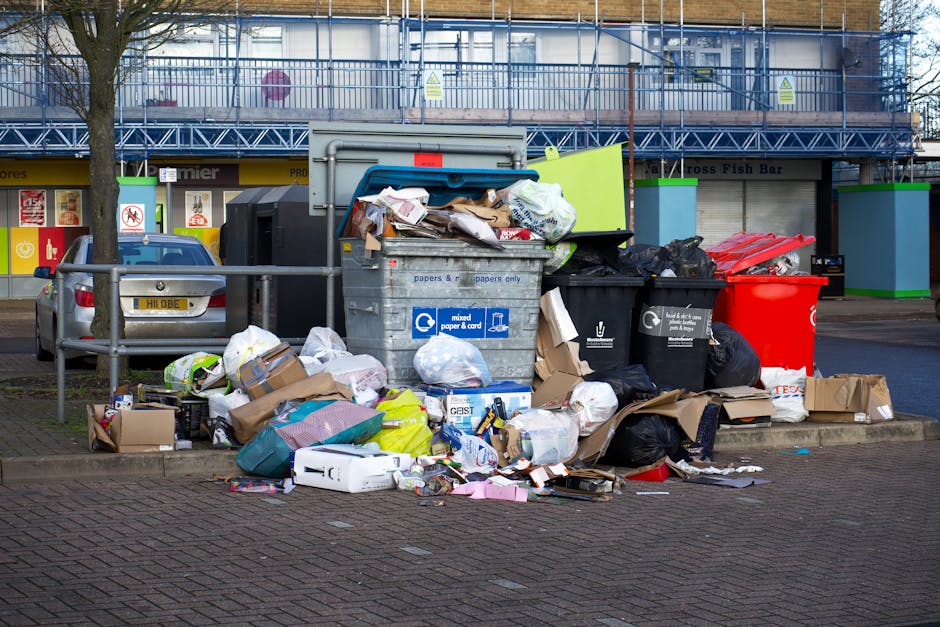
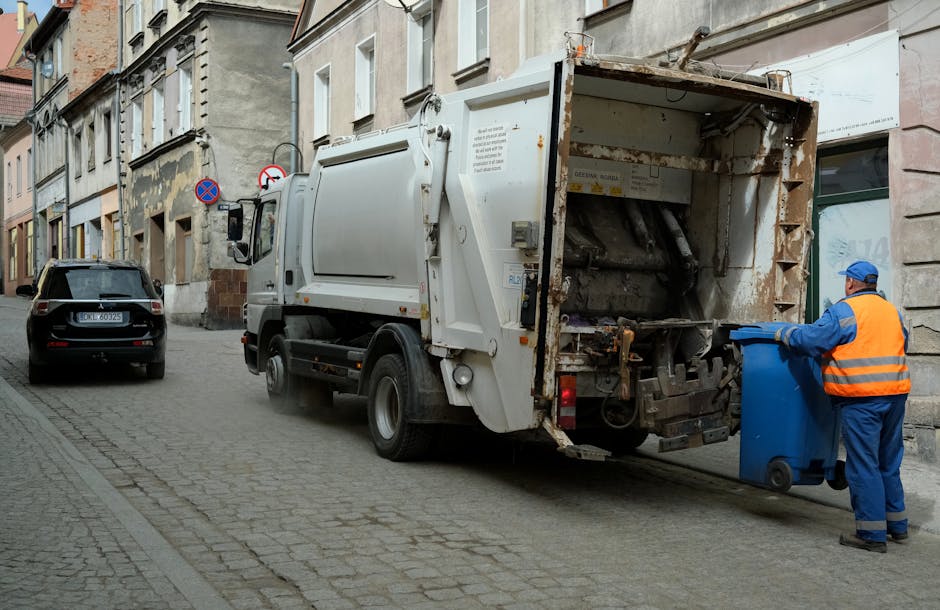
Commercial Waste Covent Garden provides commercial waste collection and removal for businesses that need a practical, regular or one-off service in Covent Garden. The work can include office rubbish, retail packaging, mixed non-hazardous trade waste, bulky items and other routine business discards that need to be handled with care and taken away cleanly. The emphasis is on keeping premises workable while helping you manage waste in a straightforward way.
Our service is suited to premises that generate waste steadily and need a clear arrangement rather than an occasional clear-out. That can mean ongoing commercial collections, a planned removal after a refit, or a tidy response when accumulated material is getting in the way of normal operations. We also support customers who want to separate recyclable material from general waste, and those who need a careful approach to items that should not simply be left in shared bins.
If you are planning a collection, it helps to describe the waste type clearly and note whether access is straightforward or restricted. A short list of the main items, approximate volume and any time constraints usually makes the first conversation more productive. When you are ready, request a quotation and explain what needs removing.
Business collections tailored to the waste you produce
Commercial waste is not a single category, and a sensible service starts with the material itself. Offices often produce paper, cardboard, archive material, packaging and unwanted furniture. Shops may need help with display packaging, damaged stock, shelving components and back-room clutter. Hospitality and leisure premises can generate mixed sacks, food-related packaging and heavier items that need a careful loading plan. We work around those differences so the collection matches the waste, rather than forcing every business into the same pattern.
The practical advantage is simple: when the right collection method is used, waste can be lifted without unnecessary handling, and recyclable streams can be kept separate where that is appropriate. Some customers need a steady arrangement for everyday refuse, while others only need support after a fit-out, stock change or seasonal tidy. If you are comparing options, our business waste removal page gives a clearer view of a regular commercial approach, while our waste removal service covers broader clearances where mixed loads need to be taken away together.
For some premises, the key decision is whether the waste can be dealt with as a routine collection or whether it needs a more specific service route. That is particularly important when the waste includes furniture, bulky equipment or mixed items that are best lifted together. In those cases, the focus is on safe handling, sensible sorting and a finish that leaves the space ready for use again. If you already know the main categories involved, you can move straight to a quotation request.
Office, retail and trade premises

Many commercial customers in Covent Garden need a service that fits around opening hours, shared access and the practical limits of busy premises. Offices may want old desks, chairs, archive boxes or broken fittings removed without disrupting staff movement. Retail units may need stockroom waste taken away alongside packaging and shop floor items. Trade premises can have mixed material that requires careful loading and clear separation of reusable or recyclable items where possible.
Where the waste comes from a working site, the collection plan should reflect the way the premises operate. That might mean removing material from a basement store, a rear yard, a service corridor or a floor with limited lift access. It may also involve handling items in stages rather than all at once. The aim is not just to clear volume, but to do so in a way that suits the building and avoids unnecessary obstruction. If you need more detail about a specific setting, a quick enquiry with the main item types is usually enough to start the conversation.
In commercial settings, speed is only one part of the decision. The more important factors are access, waste type, weight and separation requirements. A mixed office clearance, for example, can often be planned differently from a stockroom tidy or a small refurbishment load. Where useful, break the request into categories so the collection can be planned more accurately and the quote can reflect the work more closely.
Furniture, fixtures and bulky items
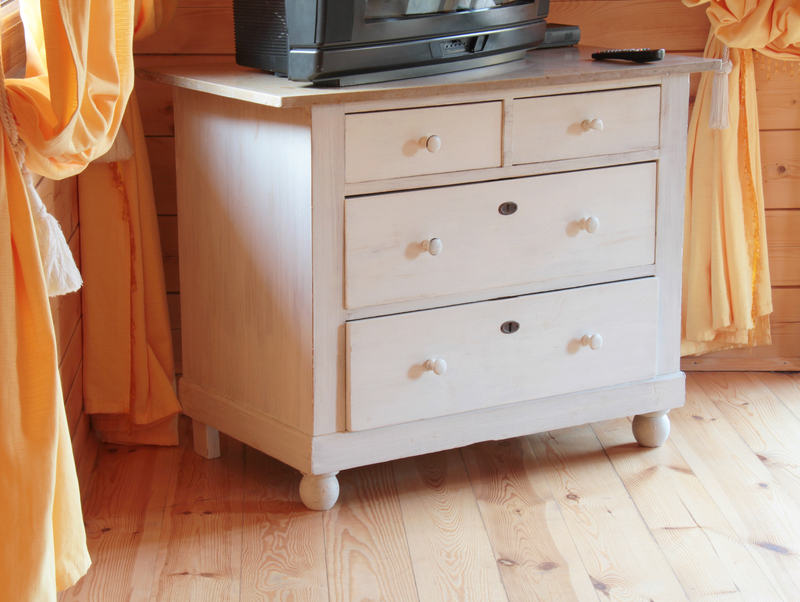
Businesses often need help removing bulky items that are awkward to move, difficult to store or no longer fit the layout of the premises. That can include office chairs, desks, cabinets, reception furniture, shelving, meeting tables and other large pieces that take up too much room to leave in place. Where possible, the collection should be planned so that the route out of the building is practical and the item handling is efficient.
Bulky commercial waste can also include fixtures from a reorganisation or closure, such as storage units, loose counters or leftover display pieces. The key distinction is whether the items are reusable, recyclable or simply suitable for disposal, and the collection should reflect that. Our furniture clearance page is relevant when the job is mainly made up of large items, while furniture disposal is a better fit when the emphasis is on removal and final handling of unwanted furniture. If the load includes sofas or similar items, mattress and sofa disposal explains that category in more detail.
For businesses, bulky-item removal is often easiest when the items are grouped before collection. A simple list of what should go, what must remain and whether anything is fixed in place helps avoid confusion on the day. If you are unsure whether a piece counts as furniture, fixture or general waste, describe it plainly and include approximate size or quantity in your request. Clear descriptions save time and make the quotation stage much smoother.
Clearances after changes, relocations and refits

Commercial waste sometimes arises because a business is changing rather than because it has a routine collection problem. Moves, refurbishments, stock changes and storage reviews can all leave behind mixed items that need to be cleared in a sensible order. That may include packaging, broken fittings, surplus office contents and materials that have been taken out during the work. A structured clearance keeps the area functional and avoids leaving a pile of items behind once the main task has finished.
Where the material comes from a larger clearance, the service may need to combine different waste types. That is why it helps to identify any particular items that need special handling before the visit. The more clearly the load is described, the easier it is to decide whether the job is best treated as a general commercial collection, a furniture removal, or a more specific clearance such as an office or home-style clearance for a mixed interior space. For smaller business locations, the right plan can be simpler than people expect when the waste is sorted before the team arrives.
Useful information to include in an enquiry:
- the main waste categories involved
- rough quantity or number of items
- whether the waste is inside, in a yard or in a store area
- any restrictions on access, parking or loading
- whether the collection is one-off or part of a repeat arrangement
Recycling, separation and responsible handling
Commercial waste is often easier to manage when recyclable and general materials are identified separately. Cardboard, paper, some metals and certain clean packaging streams may be suitable for different handling from mixed refuse, and the most sensible approach depends on the load itself. Businesses benefit from this because the collection can be organised around the actual contents rather than treated as a single undifferentiated pile.
Our recycling and sustainability page explains the broader approach to sorting and reuse, while the service itself focuses on practical removal and disposal arrangements that make sense for the material being cleared. If a business has confidential paperwork mixed into the load, confidential shredding may be relevant as part of a more considered office waste plan. For items that need a different waste route altogether, such as appliances, it is worth separating them before the job is scheduled.
The most useful question is not simply how much waste there is, but what kind of waste it is and what should happen to it next. That distinction shapes the collection method, the loading sequence and the time needed on site. A well-prepared commercial removal keeps the process tidy and avoids mixing material that ought to be split at source.
Special waste streams and items needing extra care
Some commercial loads include items that need a more specific route than ordinary mixed waste. Fridges, freezers and other appliances, for example, should not be treated as standard rubbish. They can involve different handling expectations and are usually best identified separately at the start. The same principle applies to hazardous or potentially hazardous waste, which must be handled in line with the item type rather than bundled into a general collection.
Where your business has a particular waste stream, use the matching page so the request is shaped around that category. Fridge and appliance removal is the sensible starting point for larger electrical or cooling units, while hazardous waste disposal is the more appropriate route when the material needs extra caution. These services sit alongside general commercial waste removal, but they are not interchangeable, and separating them early can prevent delays or unsuitable assumptions about the load.
When a job includes both ordinary and special items, it is usually best to note them separately in your enquiry rather than describing everything as one pile. That allows the collection to be planned more accurately and helps avoid surprises on the day. For many customers, the most efficient result comes from splitting the waste into clear categories before the quote is requested.
About Covent Garden

Covent Garden is a district in central London within the City of Westminster and the London Borough of Camden, known for its strong association with theatre, retail and public gathering spaces. The area takes its name from the former convent garden belonging to Westminster Abbey, and its later history is tied to the development of market activity, streets and squares in the West End. The modern district combines busy commercial activity with a dense urban streetscape, so its character is shaped as much by movement and exchange as by any single landmark. Covent Garden Piazza remains one of the best-known open spaces in the area, and the surrounding streets are closely linked to performance, shopping and leisure. The Royal Opera House stands nearby and contributes to the area’s cultural identity, while the wider district includes a mix of historic buildings, arcades and rebuilt frontages that reflect different periods of London’s growth. Pedestrian activity is a defining feature, with narrow streets, visible storefronts and public spaces that tend to draw visitors throughout the day. The area also sits within easy reach of the Strand, Seven Dials and Leicester Square, which places it firmly in the centre of the West End’s commercial and cultural life. Over time, Covent Garden has moved from a market-focused quarter to a location associated with entertainment, dining and specialist retail, but its layered history remains visible in the names, buildings and street pattern. That combination of heritage and continual change gives the district a distinctive urban feel that many people recognise immediately.
Planning a collection and agreeing the scope
A clear quotation starts with a clear scope. For commercial waste, that usually means the type of material, the likely amount and how the waste is stored before collection. If the items are in several rooms or levels, it helps to mention that too. There is no need to overstate the problem; a plain description is usually enough for an accurate first response. When the collection is for a business, consistency matters more than dramatic detail.
It is also sensible to think about timing and access in a practical way. Busy trading periods, shared entrances, loading restrictions and building layouts can all affect how a collection is arranged. If there are any items that must stay behind, say so clearly, and if the waste includes a mix of cardboard, furniture or specialist items, list them separately. Our pricing and quotes page is useful if you want to understand the information that helps shape a quotation. For bookings, book online is available as an alternative route to starting the process, depending on how you prefer to make contact.
Once the scope is settled, the next step is straightforward: ask for a quotation and keep the description focused on what needs to be removed. If the load changes later, that can be updated before the collection is confirmed. The aim is a business waste arrangement that feels organised, not complicated. Tell us what is there, where it is and what should happen to it, and the service can be planned from there.
Office waste and regular commercial arrangements
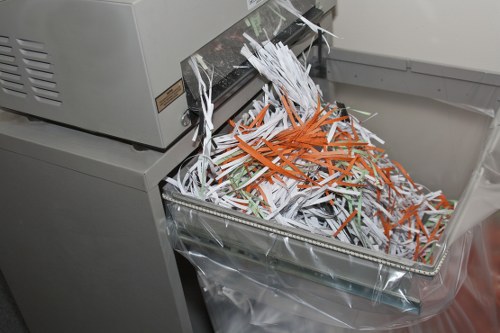
Some businesses need a one-off clearance, while others benefit from a recurring arrangement that keeps waste under control week by week. Offices in particular can generate a steady flow of packaging, paper, general rubbish and unwanted items from day-to-day work. A regular commercial plan reduces the need to improvise each time the bins fill up and can make it easier to keep back rooms, storage cupboards and shared spaces usable.
The advantage of a recurring service is that the waste pattern becomes easier to manage. If one month is heavier than the next, the collection can be adjusted to suit the actual load rather than the other way around. That applies whether the job is mainly office waste, mixed business refuse or part of a wider clear-out involving furniture or equipment. When several waste streams arise together, it is often better to identify them in advance so the collection can be shaped around the practical reality of the premises.
For a quote, a short message is enough if it includes the type of business, the waste categories and the rough scale of the job. If you want to move ahead, please request a quotation and describe the load as plainly as possible.