Seven Dials Insider Rubbish Clearance Tips for Residents
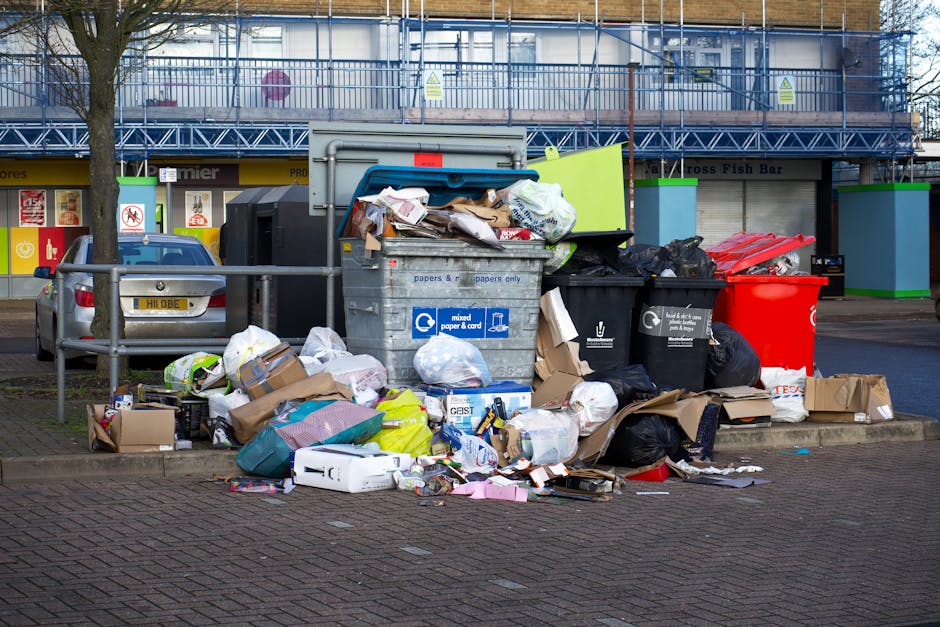
Rubbish clearance in Seven Dials can feel deceptively simple until you're actually standing in a hallway with a broken wardrobe, a box of old cables, and nowhere to put any of it. Narrow streets, busy footfall, shared entrances, and limited storage all make the job trickier than it first looks. These Seven Dials Insider Rubbish Clearance Tips for Residents are designed to help you clear waste calmly, safely, and without turning the whole thing into an all-day headache.
Whether you're tidying a flat, emptying a loft, clearing out after a refurb, or just trying to reclaim some breathing room, the best approach is part planning, part common sense, and a little local know-how. In this guide, you'll find practical steps, smart shortcuts, compliance basics, and a few real-world lessons that tend to make the difference between a smooth clearance and a messy one. Let's face it: the less time you spend dragging junk up and down stairs, the better.
Expert summary: The easiest clearances in Seven Dials usually come from sorting early, separating bulky items from general waste, checking access before moving anything, and choosing the right clearance method for the type and volume of rubbish.
Contents
- Why Seven Dials Insider Rubbish Clearance Tips for Residents Matters
- How Seven Dials Insider Rubbish Clearance Tips for Residents Works
- Key Benefits and Practical Advantages
- Who This Is For and When It Makes Sense
- Step-by-Step Guidance
- Expert Tips for Better Results
- Common Mistakes to Avoid
- Tools, Resources and Recommendations
- Law, Compliance, Standards, or Best Practice
- Options, Methods, or Comparison Table
- Case Study or Real-World Example
- Practical Checklist
- Conclusion
- Frequently Asked Questions
Why Seven Dials Insider Rubbish Clearance Tips for Residents Matters
Seven Dials has a very specific rhythm to it. It's central, busy, and full of homes and businesses that often sit inside older buildings with awkward access. That matters because rubbish clearance is not only about getting things out the door; it's about doing it in a way that works for the building, the neighbours, and your own schedule. A simple flat clearance can become a surprisingly complicated puzzle if you ignore stairs, loading points, lift access, or collection timing.
There's also the everyday reality of city living. In a compact area, waste can build up quickly: packaging after deliveries, furniture you've been meaning to replace, or renovation debris that seems to multiply overnight. The quicker you deal with it, the less likely you are to end up with clutter creeping into rooms, hallways, or storage spaces. Nobody wants to keep stepping around a dismantled desk for three weeks. It's annoying, and it makes the home feel smaller.
Good rubbish clearance also supports neighbourly living. Shared entrances, common courtyards, and narrow pavements all mean you need to think about timing and movement. Move carefully and plan your route. That sounds obvious, but in practice it's where many people slip up.
If you're dealing with mixed waste, bulky furniture, or renovation leftovers, it can also help to look at broader clearance options such as house clearance, flat clearance, or builders waste clearance so you're not trying to force everything into one method that doesn't really fit.
How Seven Dials Insider Rubbish Clearance Tips for Residents Works
At a practical level, rubbish clearance in Seven Dials works best when you match the job to the waste. That sounds straightforward, but the mistake many residents make is treating all rubbish as the same thing. It isn't. A bag of general household waste, a broken fridge, a mattress, and plasterboard from a refurbishment all need different handling.
The process usually starts with a sort-and-assess stage. Walk through the property and separate items into broad groups: keep, donate, recycle, bulky waste, and specialist disposal. If you do that first, you avoid the classic last-minute scramble where everything ends up in one pile and nothing is easy to move. Been there, regretted it.
Next comes access planning. In Seven Dials, access can matter more than volume. A small amount of waste on a top floor with no lift can take longer than a larger job on the ground floor. Think about stair width, door frames, parking, collection windows, and whether items need dismantling first. If you need help with larger household items, pages like furniture clearance, mattress and sofa disposal, and fridge and appliance removal are useful because they deal with common bulky categories separately.
Then comes the actual collection or removal. Some residents prefer a skip-style solution, especially for longer projects. Others want a quicker same-day pickup, which is often more practical when there's limited space outside the property. If you're trying to decide what size or type of waste is suitable for a skip, the guide on what can go in a skip is worth checking before you pile everything in and hope for the best.
Finally, there's the aftercare. Clear the area, sweep up dust, and check for items that got left behind on shelves, behind radiators, or in cupboard corners. A tiny forgotten charger can sit there for years, which is a bit ridiculous when you think about it.
Key Benefits and Practical Advantages
When residents get rubbish clearance right, the benefits are immediate and very visible. You reclaim space, reduce stress, and make the home easier to live in. There's a quiet relief in seeing a room return to its proper size. That moment matters more than people admit.
Here are the most useful advantages:
- More usable space: cupboards, hallways, spare rooms, lofts, and garages stop acting like storage limbo.
- Less clutter stress: the home feels calmer when rubbish isn't constantly in sight.
- Safer movement: fewer trip hazards, fewer blocked walkways, and less chance of damage during day-to-day life.
- Better planning for moves or refurbishments: it is much easier to decorate, rent, sell, or rearrange a space when waste has already gone.
- Cleaner handling of bulky items: furniture, appliances, and mixed waste need more than a quick bin bag shuffle.
- More sensible recycling: separating waste early gives you a better chance of diverting suitable items away from general disposal.
There's also a time-saving advantage. If you're clearing in one burst rather than little by little, you avoid the stop-start pattern that makes the job drag on for days. For busy residents, that can be the biggest win of all. In practical terms, rubbish clearance should make life easier, not become a new weekend hobby.
Who This Is For and When It Makes Sense
This advice is for anyone living in or around Seven Dials who needs to move rubbish efficiently and without drama. That includes flat owners, tenants, landlords, letting agents, families in larger homes, and people dealing with one-off clear-outs after a move or renovation.
It tends to make the most sense in these situations:
- You've got too much waste for normal household bins.
- You're replacing furniture and need old items removed.
- You're clearing a loft, garage, or storage cupboard.
- You're finishing a small refurbishment and have mixed waste.
- You need to clear a property before a sale, rental, or handover.
- You want to avoid leaving waste in communal areas, even briefly.
It also suits residents who want a more organised, less physical approach. Not everyone has the time, vehicle access, or lifting strength to deal with bulky waste properly. And to be fair, some items are simply awkward. A heavy wardrobe down a narrow stairwell is the sort of task that looks manageable right up until you're halfway through it.
If your clear-out is bigger than it first appears, you may be looking at a broader service such as home clearance or loft clearance. If it is mainly one room or a specific item type, a narrower approach can be easier and more cost-conscious.
Step-by-Step Guidance
Here's a straightforward way to handle rubbish clearance in Seven Dials without overcomplicating it.
- Walk the space first. Don't start moving items before you know what you're dealing with. Check every room, cupboard, corner, and storage spot.
- Separate waste into categories. Keep, donate, recycle, general rubbish, bulky items, and anything that needs specialist handling.
- Measure awkward items. This is especially helpful for sofas, wardrobes, fridges, and beds. A tape measure can save a lot of trouble later.
- Check access. Note stairs, lifts, parking restrictions, and whether items will need to be broken down before removal.
- Choose the right method. Match the job to the waste volume and type. A few bags are not the same as a full flat clearance.
- Remove hazards early. Broken glass, nails, sharp metal edges, and loose cables should be dealt with before the bigger move starts.
- Bundle smaller items together. Put similar waste into boxes or sturdy bags where possible. It speeds things up and keeps the route clearer.
- Check for specialist items. Fridges, appliances, confidential papers, and hazardous materials need extra thought.
- Clear in stages if needed. Sometimes the most sensible move is to do one room at a time. That's perfectly fine.
- Do a final sweep. Check under beds, behind furniture, and inside drawers. You'd be surprised how often something turns up at the last minute.
A useful rule of thumb: if the waste looks simple but the access is difficult, treat it as a more complex job. Access changes everything. Every time.
Expert Tips for Better Results
The small choices make the biggest difference in rubbish clearance. In our experience, residents who plan just a bit more end up saving time, money, and quite a few sighs.
1. Start with the heaviest items
Heavy items usually define the job. If you remove a wardrobe, washing machine, or bulky cabinet early, the rest suddenly feels easier. It also gives you more floor space to work with. The room stops fighting back.
2. Keep one "decision box" for awkward bits
Every clearance has a drawer of random items that nobody can quite place. Chargers, old remotes, keys, spare screws, instruction booklets. Put them all in one box and deal with them at the end. That way the main job doesn't get slowed down by tiny choices.
3. Photograph complicated loads before removal
If you're comparing options or arranging a larger clearance, a few photos can help you explain the job accurately. It's especially useful for mixed waste and unusual access. A clear picture beats a vague description almost every time.
4. Separate recyclable material early
Cardboard, clean wood, some metals, and certain household items may be better handled separately. This keeps the waste stream cleaner and usually avoids unnecessary mixing.
5. Don't underestimate communal space rules
In shared buildings, leaving even a small pile in a hallway "just for a bit" can become a problem. Manage the timing so waste moves straight out, not into a temporary holding zone that annoys everyone.
6. Think about noise and timing
Dragging furniture at 7am is a quick way to become memorable for the wrong reasons. Mid-morning tends to be easier, though local building rules and building access arrangements should always come first.
7. Handle specialist items separately
Items like fridges, mattresses, and sofas can be awkward because of their size, weight, and disposal needs. If they make up a big part of the job, it is often smarter to treat them as a separate category rather than lumping everything together.
Common Mistakes to Avoid
A lot of rubbish clearance problems are avoidable. The trouble is, they usually look small right until they become inconvenient. Here are the mistakes we see most often.
- Not sorting before starting: if everything is piled together, the removal stage takes longer and mistakes multiply.
- Ignoring access: this is a classic one. A job may be physically small but still take a long time if the route is tight or there is no easy loading point.
- Mixing all waste types: general rubbish, construction debris, and specialist items should not be treated as one big category.
- Leaving bulky items until last: those items often end up blocking the route or slowing the rest of the clearance.
- Forgetting hidden storage areas: loft corners, under-bed storage, utility cupboards, and balcony spaces often hold more than expected.
- Using the wrong disposal route for hazardous items: this is where caution matters. Do not guess.
- Overfilling bags: it makes lifting harder and increases the chance of tearing or injury.
- Underestimating how long sorting takes: the sorting stage is not busywork. It is the job.
One slightly annoying truth: the fastest-looking shortcut is often the slowest route overall. You save nothing by rushing the wrong step.
Tools, Resources and Recommendations
You do not need a truckload of equipment to manage a residential clearance well. A few practical items go a long way.
- Strong sacks and boxes: for lighter mixed waste, paperwork, and small household items.
- Work gloves: useful for dust, splinters, and rough edges.
- Furniture sliders or a sack barrow: helpful if you are moving awkward items across floors.
- Basic hand tools: a screwdriver, Allen keys, and a drill can help dismantle furniture more safely.
- Labels or marker pens: ideal for sorting and keeping items separated.
- Tape measure: one of the most underrated tools in the whole process.
For residents comparing service options, a few pages are especially useful. If you want a fuller understanding of broader domestic clearances, house clearance and home clearance explain the kind of jobs that involve multiple rooms or mixed contents. If your main concern is old seating or bedroom furniture, the guides on mattress and sofa disposal and furniture disposal are particularly relevant.
You may also want to look at recycling and sustainability if you are trying to keep the clearance as environmentally sensible as possible. That's a good habit, and it usually makes the whole job feel more considered, less wasteful.
Law, Compliance, Standards, or Best Practice
When rubbish clearance involves household waste, bulky items, electricals, or anything potentially hazardous, it is wise to follow accepted UK waste-handling practice. You do not need to be a legal expert to do that well, but you do need to avoid assumptions.
Here are the main principles worth keeping in mind:
- Do not dump waste in communal areas or on pavements unless it is being handled through a proper collection arrangement.
- Separate hazardous or specialist items rather than mixing them with normal domestic waste.
- Handle electrical and appliance waste carefully so it is removed and processed appropriately.
- Keep personal or sensitive materials secure if you are clearing paperwork, records, or storage boxes. Confidential papers should be treated properly, and a service such as confidential shredding can be a sensible option where needed.
- Use a provider with clear safety practices and adequate insurance where the job involves lifting, access challenges, or heavier waste.
For more reassurance on safety expectations, the pages on health and safety policy and insurance and safety are useful because they reflect the sort of standards residents should expect from a responsible operator. If you are disposing of items that could be classed as hazardous or awkward to handle, hazardous waste disposal is the page to review first.
For anyone comparing pricing or trying to understand what affects a quote, the page on pricing and quotes is relevant. Costs often depend on volume, item type, access, and how much manual handling is involved. That is normal. A clearance from a ground-floor flat with parking nearby is not the same job as a top-floor walk-up with oversized furniture.
Options, Methods, or Comparison Table
Different rubbish clearance methods suit different jobs. The best choice depends on how much waste you have, what it is, and how quickly it needs to go. Here is a practical comparison.
| Method | Best for | Pros | Potential drawbacks |
|---|---|---|---|
| Self-clearance | Small amounts of ordinary waste | Low cost if you already have transport; flexible timing | Time-consuming; lifting and disposal can be awkward; not ideal for bulky items |
| Skip hire | Medium to larger clear-outs with space for a skip | Good for ongoing projects; useful for mixed waste | Requires space and planning; not suitable for everything; access matters |
| Man and van style clearance | Bulky items, mixed rubbish, quicker removals | Convenient; useful where access is tight; often less hassle for residents | Prices vary by load type; you need to describe the waste clearly |
| Specialist item removal | Fridges, mattresses, sofas, confidential items, or hazardous waste | Handles item-specific requirements properly | May need separate arrangements if items are mixed with general rubbish |
For many Seven Dials residents, the deciding factor is not just volume. It is access. If waste is easy to reach, self-clearance may be fine. If the item is bulky, heavy, or difficult to move, a more structured option is usually the better choice. No prize for making life harder than it needs to be.
If you are clearing a garage, garden area, or storage-heavy space, the pages on garage clearance and garden clearance can also help you think through the waste type before you commit.
Case Study or Real-World Example
A fairly typical Seven Dials scenario goes like this: a resident in a second-floor flat wants to clear out an old bed frame, a wardrobe, several bags of mixed household clutter, and a broken washing machine left by a previous tenant. The space is tight, there is a shared stairwell, and collection has to be done without disrupting neighbours.
The sensible approach is to sort first, not last. The bed frame and wardrobe are separated as bulky furniture, the appliance is kept apart for appliance removal, and the smaller mixed waste is bagged neatly. The resident measures the wardrobe doorways and stair turns before moving anything. That simple check reveals the wardrobe will not fit intact, so it gets dismantled before the lifting starts.
Because access is limited and the property is a flat, a focused flat clearance approach is far easier than trying to make each item into a separate trip. The job becomes orderly: one route, one plan, one final sweep. The whole thing feels less like a crisis and more like a project with a beginning and an end.
The nice part? The resident ends up with a clear hallway, an easier-to-use bedroom, and no lingering pile of "I'll deal with it later." That last bit matters more than people think. Clutter has a habit of hanging around if you let it.
Practical Checklist
Use this checklist before you start any rubbish clearance in Seven Dials.
- Walk through every room and storage area.
- Separate keep, donate, recycle, and dispose.
- Identify bulky items early.
- Check stairways, lifts, door widths, and parking access.
- Measure anything awkward or oversized.
- Remove sharp, broken, or hazardous pieces first.
- Keep confidential papers apart for secure handling.
- Decide whether the job is a small clear-out, a furniture removal, or a fuller property clearance.
- Make sure bags are manageable and not overfilled.
- Plan the final sweep so nothing gets left behind.
- Confirm the disposal route is appropriate for the waste type.
- Leave communal areas clean and unobstructed.
If you can tick off most of those before anything moves, the rest usually falls into place. Simple, really.
Conclusion
Seven Dials rubbish clearance works best when you treat it like a local logistics job, not just a tidy-up. The combination of tight access, mixed property layouts, and the everyday pressure of London living means the best results come from planning, sorting, and choosing the right disposal method for the waste in front of you.
Start early, be realistic about what you can move safely, and don't ignore the awkward bits. The moment you separate the bulky items, check access, and think through disposal properly, the whole process becomes more manageable. And that bit of calm is worth a lot. Not glamorous, maybe, but very useful.
If you're looking at a bigger clear-out, a bulky item problem, or a property that needs a more structured approach, it helps to compare the most suitable options and choose the one that keeps things safe, tidy, and efficient.
Get a free quote today and see how much you can save.
Sometimes the best home improvement is simply making room to breathe again.
Frequently Asked Questions
What is the best way for Seven Dials residents to clear rubbish quickly?
The quickest method is usually to sort waste first, separate bulky items, and choose a clearance option that matches the access and volume. If the property is a flat or the items are large, a structured clearance service is often more efficient than trying to do everything yourself.
How do I know if I need a flat clearance rather than general rubbish removal?
If the job involves multiple rooms, furniture, or a full property clean-out, flat clearance is usually a better fit. General rubbish removal is more suitable for smaller, simpler loads.
Can I put old furniture with general household waste?
Usually, no. Furniture is often best handled separately because it is bulky and may need different loading and disposal arrangements. For chairs, tables, wardrobes, and similar items, look at furniture disposal or furniture clearance.
What should I do with a broken fridge or appliance?
Appliances are best treated as a separate category. A fridge or washing machine should not just be dumped with ordinary rubbish. Check fridge and appliance removal before arranging collection.
Is it better to use a skip or a clearance service in Seven Dials?
It depends on access, waste type, and how long the project will take. A skip can work well for ongoing work if there is space for it. A clearance service is often easier when access is tight or the waste is bulky and mixed.
How can I avoid causing problems in shared hallways or stairwells?
Plan the route, move items in smaller stages if needed, and keep communal areas clear. It helps to prep items inside the property so they can move out efficiently rather than sitting in the hallway for long periods.
Do I need special handling for confidential papers?
Yes, if the papers contain personal or business information, they should be handled securely. A confidential shredding approach is the sensible option rather than mixing papers into general waste.
What are the most common mistakes residents make during rubbish clearance?
The biggest ones are not sorting waste first, ignoring access issues, overfilling bags, and forgetting about bulky items until the end. Those four alone create most of the headaches people run into.
How do I prepare for a property clearance if I'm short on time?
Start by identifying the items you definitely want removed and the ones you want to keep. Then group waste by type, take photos if useful, and decide whether you need a room-by-room approach or a broader home clearance.
Are hazardous items handled differently?
Yes. Hazardous items need more care and should not be mixed casually with standard waste. If you suspect an item could pose a risk, review hazardous waste disposal before moving it.
How much does rubbish clearance usually cost?
Costs vary depending on load size, item type, access, and the amount of lifting involved. The best way to understand likely pricing is to review the factors involved on pricing and quotes and request an estimate based on your actual situation.
What should I do after the rubbish has been taken away?
Do a final sweep of the space, check behind furniture and inside cupboards, and clean any dust or debris left behind. That last pass is worth doing. It helps you spot forgotten items and gives the room a proper reset.
For residents in Seven Dials, a good clearance is never just about removing waste. It is about making the space feel workable again, and that's a pretty satisfying thing to get right.