
Complaints Procedure — Commercial Waste Covent Garden
This complaints procedure sets out the formal steps for raising, investigating and resolving concerns about commercial waste and rubbish company service area performance. It applies to complaints relating to commercial refuse removal, waste collection schedules, container provision and related service failures. The purpose is to ensure timely, fair and transparent handling of issues while protecting all parties' rights and complying with regulatory obligations.Our approach is founded on clear principles: accessibility, impartiality, proportionate investigation and documented outcomes. Complaints will be handled without discrimination, and every effort will be made to resolve matters quickly at the operational level. If a matter cannot be resolved informally, this procedure provides a formal route for review and escalation to an independent assessment stage where appropriate.
 To make a complaint you will need to provide certain information to assist investigation. Typical information includes:
- the name of the organisation or responsible contact;
- date(s) and time(s) of the incident or service failure;
- a clear description of the issue and the outcome you seek;
- any supporting evidence such as photographs, invoices, or service records.
Acknowledgement and Initial Response
We will acknowledge your complaint promptly. Where possible the complaint will be acknowledged within three working days of receipt. The acknowledgement will confirm who is handling the matter, an outline of the process and an estimated timeframe for the investigation. If additional information is required to proceed, you will be asked to provide it and the expected timescales may be adjusted accordingly.Investigation process — Complaints are assessed to determine their severity, complexity and whether immediate remedial action is required to prevent recurrence. Investigations may include review of service logs, staff statements, vehicle routes, bin audits and CCTV if available. Investigators will gather relevant facts, maintain objective records and document the basis for any findings.
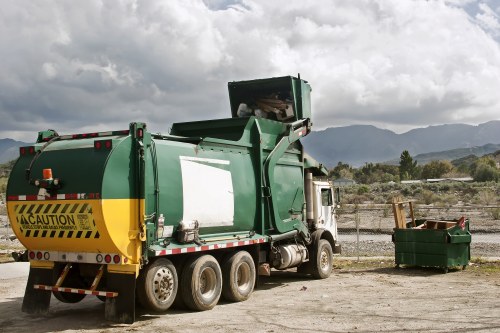 Resolution and outcomes — Once an investigation concludes, a written outcome will be issued outlining findings and proposed remedies. Remedies are proportionate to the harm or service failure and, where appropriate, may include service corrections, reasonable financial adjustments, changes to procedures or additional training. Outcomes aim to restore service quality and prevent recurrence rather than to act as punitive measures.
Escalation and Independent Review
If you are dissatisfied with the formal outcome you may request escalation. The escalation route will trigger internal review by a senior manager who was not involved in the original decision. In cases where an independent review is available under sector regulation or statutory arrangements, information about how to access that review will be provided in the outcome letter. Escalation requests should be submitted within a reasonable period after the outcome is issued.Records, data protection and confidentiality — All complaint records are handled in accordance with data protection laws and retained only for as long as necessary to satisfy legal, regulatory and business needs. Personal data will be processed lawfully and confidentially. Records of investigations, outcomes and corrective actions are kept to support transparency and continual improvement while safeguarding sensitive operational details.
To ensure clarity, the following steps describe typical retention and access principles:
- investigation records retained for a period that reflects legal and contractual obligations;
- access to complaint files limited to authorized personnel involved in the review;
- third party disclosure only when required by law or with appropriate consent.
What we expect from complainants — Productive resolution depends on cooperation. Complainants are requested to provide accurate information, respond to reasonable requests for clarification and allow time for investigation. Aggressive or abusive behaviour may affect process handling; in such circumstances the provider may refuse further engagement until communication can be resumed in a constructive manner.
Service standards and remedies — The provider publishes expected service standards for waste collection, container management and route reliability. When a standard is not met, the outcome may include remedial collection, schedule adjustment, replacement of damaged containers or proportionate financial consideration where contracts and law permit. Remedies are applied in line with the terms of service and regulatory expectations to ensure fair treatment for customers across the rubbish company service area.
 Continuous improvement and reporting — Complaints are treated as a key source of operational intelligence. Aggregated complaint data is analysed to identify patterns, systemic failures and training needs. Reports from complaint handling inform operational changes, supplier management and policy updates to reduce recurrence and improve overall commercial waste services and rubbish collection reliability.
 Closing, timescales and further options — Final written responses will normally set out any actions taken, the reason for the decision and where applicable how to request escalation or independent review. Typical internal resolution targets are within 10–20 working days, although complex matters may take longer and will be communicated. If an independent statutory or sector-based body is available for review, the final letter will explain the option and the relevant timeframe.
Summary — This procedure ensures that complaints about commercial waste services and operations in the rubbish company service area are addressed consistently, transparently and fairly. By documenting outcomes, protecting data and applying proportionate remedies, the process balances the needs of business customers, operational staff and regulatory requirements.
Recordkeeping — A clear audit trail of complaints and corrective actions will be maintained to support accountability and continuous service improvement. The organisation commits to learning from each complaint to enhance performance across commercial waste services and refuse removal activities.
