Health and Safety Policy for Commercial Waste Services
 This policy sets out the health and safety commitments for commercial waste collection and rubbish services operating within the company service area, including limited mention of Covent Garden for context only. The purpose is to protect employees, contractors, clients and the general public while delivering reliable commercial waste disposal and rubbish collection. It describes roles, duties, hazard controls and the framework for safe working across waste management activities.
The scope covers all aspects of waste handling from collection and transport to interim storage and transfer of commercial refuse and recycling. It applies to permanent staff, temporary operatives, drivers and any subcontracted personnel engaged in waste clearance or related site work. This document complements existing operational procedures and forms part of the company’s overall safety management system.
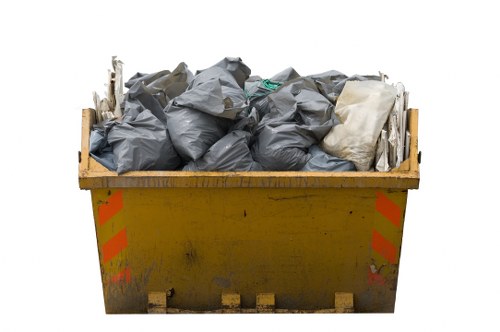 Management is committed to providing sufficient resources to achieve safe outcomes. Risk assessments will be carried out for routine tasks and for any atypical job, including bulky waste removal, hazardous materials handling and vehicle-based operations. The aim is to ensure hazards are identified, evaluated and reduced to acceptable levels through engineering controls, safe systems of work, and the use of appropriate personal protective equipment.
Responsibilities and Accountability
All staff share responsibility for safety. Senior management has overall accountability for policy implementation, while supervisors are responsible for ensuring that safe working practices for rubbish collection and commercial waste services are followed. Employees are required to take reasonable care of their own safety and to cooperate with any reasonable instruction, including reporting unsafe conditions and near misses without delay.
Training and competence are essential. The company will ensure that personnel receive induction, job-specific training, and refresher instruction covering manual handling, vehicle safety, segregation of waste streams and handling of hazardous waste. Records of training will be maintained to demonstrate competence for tasks that present significant risks.
 Safe vehicles and plant are critical controls. Vehicles used in waste management must be inspected daily, maintained to manufacturer standards, and fitted with appropriate safety equipment. Drivers must observe load securing, weight limits and safe reversing procedures. Mobile plant and lifting devices must only be operated by trained operators and within their rated capacities.
Hazard Control and Safe Systems of Work
Manual handling is a principal risk in commercial refuse operations. Tasks will be redesigned where possible to eliminate heavy lifting, using mechanical aids for bulky items and team lifts when necessary. Safe handling guidance and mechanical assistance must be provided to reduce musculoskeletal injuries and strains.
Waste segregation and safe containment reduce exposure to biological, chemical and sharps hazards. The policy requires clear labeling of waste streams, use of robust containers for sharps and hazardous waste, and segregation of recyclables to prevent cross-contamination. Spill control measures and approved cleaning protocols must be available on all vehicles and at transfer sites.
Emergency procedures are in place for incidents such as spills, exposures, fires and vehicle collisions. Employees must follow the incident response plan, secure the scene and seek first-aid or professional assistance as required. All incidents and near misses must be recorded and investigated to prevent recurrence.
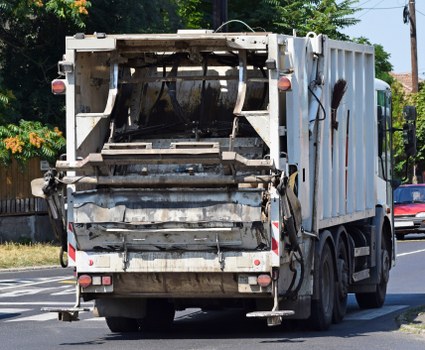 Personal protective equipment is mandatory where controls cannot eliminate risks. Typical PPE includes gloves, high-visibility clothing, steel-toe boots, eye protection and respiratory protection where airborne hazards are present. Supervisors will ensure the correct PPE is provided and used; non-compliance will be addressed through disciplinary processes if necessary.
Health surveillance and welfare measures protect staff from work-related ill health. Where exposure to hazardous substances or repetitive strain is identified, appropriate medical surveillance will be offered. Welfare facilities, including hand-washing, first-aid supplies and quiet rest areas, will be maintained for employees engaged in demanding physical tasks.
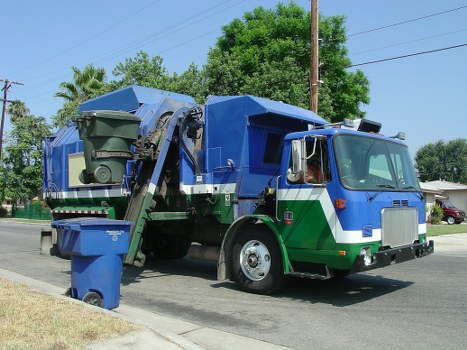 Monitoring, review and continual improvement are central to this policy. Performance indicators such as accident rates, near-miss reports and audit findings will be reviewed regularly. Management will conduct periodic site inspections, safety audits and consultations with staff to identify improvement actions. A formal review of this policy will occur at least annually or after significant incidents or changes in operations.
Contracting and subcontractor management requires that any third party providing rubbish company services or waste clearance on behalf of the organisation complies with this health and safety policy. Contracts will specify safety requirements, and subcontractor performance will be monitored through inspections and record checks. Suppliers of waste containers and equipment must meet agreed safety standards.
The policy includes clear procedures for reporting hazards and requesting corrective actions. Employees are encouraged to raise concerns through their line manager or safety representative. A non-punitive reporting culture will be maintained to encourage transparency and the early identification of risks.
In summary, this policy emphasises a proactive approach to safety in commercial waste operations and rubbish collection: identify risks, implement controls, train staff and continuously monitor outcomes. The company is committed to protecting people, property and the environment while delivering efficient waste management services across its service area.
Key elements of implementation include:
- Clear responsibilities at all organisational levels for safety and compliance
- Reliable risk assessments and documented safe systems of work
- Appropriate training, supervision and competence assurance
- Equipment maintenance and vehicle safety checks
- Emergency response, incident investigation and continuous improvement
The company will publish and communicate this policy to all personnel and make it available at operational sites. Leadership will demonstrate visible commitment by allocating resources, monitoring performance and engaging with workers to ensure the safe delivery of commercial waste and rubbish collection services.
Signed on behalf of management as an expression of commitment to health and safety, this policy will be actively maintained and embedded in everyday operations to minimise risk and protect everyone affected by our commercial waste activities.
